
No products in the cart.
Return To ShopSale 30%
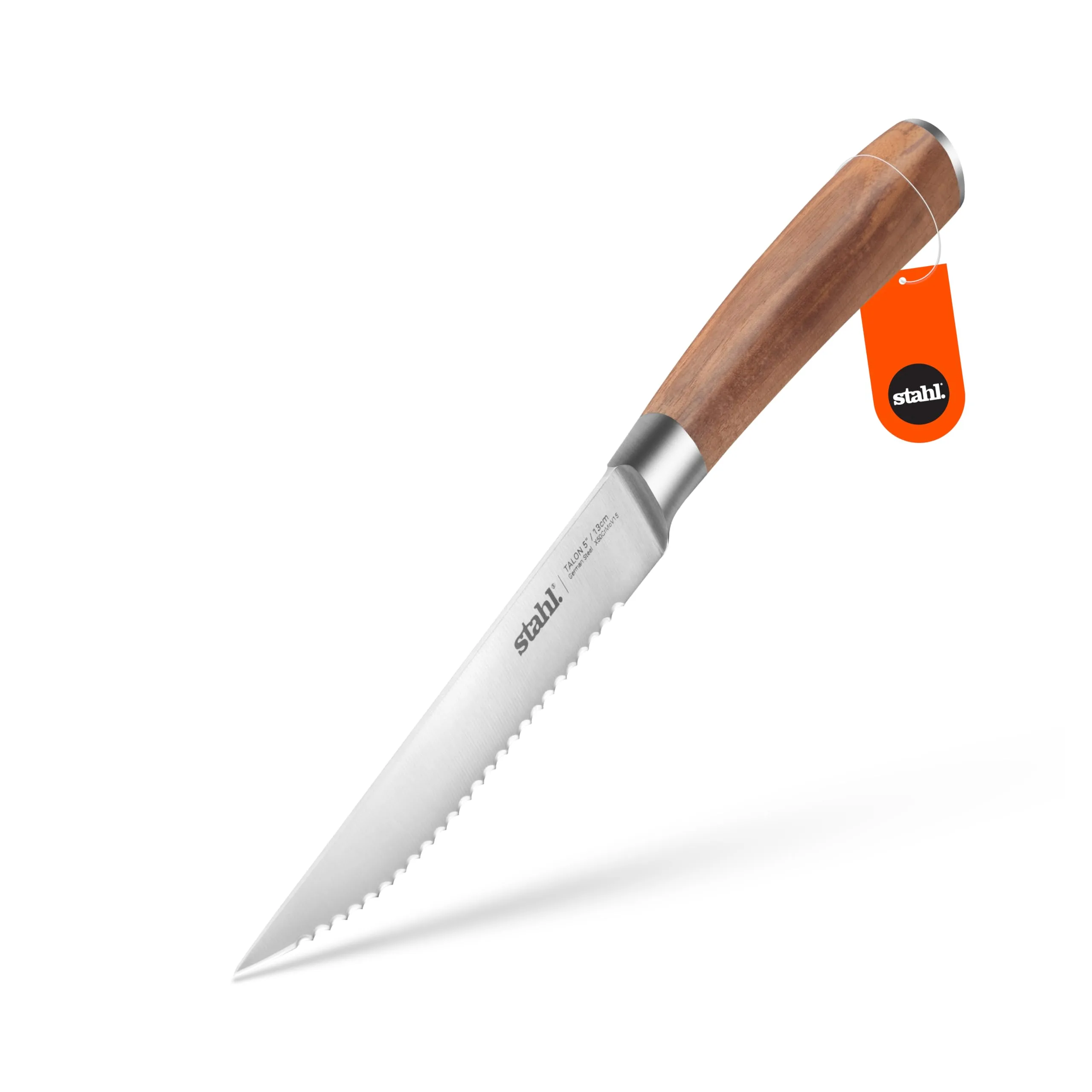
Stahl 5 Inches/ 13 cm Talon Stainless Steel Tomato Steak Knife with Walnut Wood Handle, for Chefs Kitchen Restaurant
MRP : Original price was: ₹1,480.00.₹1,029.00Current price is: ₹1,029.00.You save ₹451.00 (30% off)
🚚Easy DeliveryBangalore store pickup or delivery
✅100% GenuineAuthorised brand products
💬SupportCall / WhatsApp 97407 40030
🔒Safe PaymentsUPI, cards & secure checkout
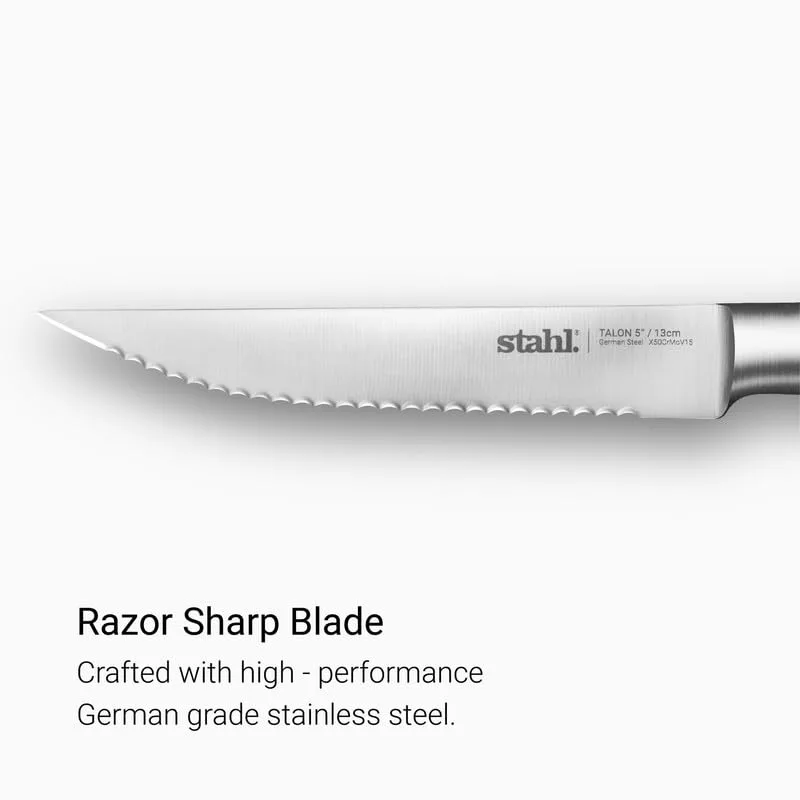
BULLET POINTS 🍅 Serrated Blade for Soft Skins – The saw-tooth edge bites through tight tomato skin on first contact instead of sliding off it, so slices hold their shape rather than collapsing into pulp on the board. 🔱 Forked Tip That Lifts and Serves – The two-pronged tip spears each slice and moves it straight to the plate or salad bowl. No fingers, no second serving spoon, no torn edges. 🇩🇪 German Stainless Steel Blade – Cut from German stainless steel for edge retention and corrosion resistance — an important thing in Indian kitchens where humidity and acidic tomato and lemon juice attack cheap steel fast. 🌰 100% Natural Walnut Wood Handle – Ergonomically sculpted walnut, warm in the hand and grippy even when your fingers are wet with tomato juice. Every piece carries its own grain, so no two knives look identical. ⚔️ Dual Precision Edge – Stahl’s twin-edge geometry lets you switch between a long draw-slice for tomatoes and short controlled cuts for chillies or paneer without changing knives. 🥩 Doubles as a Steak Knife – The same serration that handles tomato skin cuts cleanly through cooked meat, so it moves from the chopping board to the dining table for steak, tandoori chicken or seekh kebab. 📏 5 Inch / 13 cm Blade — The Practical Middle – Long enough to cross a large Bangalore tomato in one stroke, short enough to stay controllable for small jobs. The size most Indian kitchens actually reach for daily. 🧼 Hand Wash Only — Stated by Stahl – Not dishwasher safe. Dishwasher heat and detergent dry out the walnut and dull the serration. Warm water, mild soap, wipe dry — 20 seconds after use. 📦 What’s in the Box – 1 × Stahl Talon Tomato & Steak Knife (5 in / 13 cm). Country of origin: China. PRODUCT DESCRIPTION The tomato that fought back You bring home a kilo of perfectly ripe tomatoes for the salad. You press the knife down and it skids — right across the skin, twice, before it finally goes in. And when it does go in, it goes in too far, and what lands on the plate is not a slice but a wet red collapse. Every kitchen has this knife. The problem was never your technique. A straight edge has to push through tomato skin; a serrated edge cuts it. At a Glance Blade length: 5 inches / 13 cm Blade type: Serrated, with forked tip Blade material: German stainless steel Handle: 100% natural walnut wood, ergonomically sculpted Edge design: Dual Precision Edge Best for: Tomatoes, soft fruit, sandwiches, cooked steak and kebab Care: Hand wash only — not dishwasher safe Country of origin: China. Imported by Autopress (India) Pvt. Ltd., Pune In the box: 1 knife Series: Stahl Talon Why does a serrated blade cut tomatoes better? A serrated blade cuts tomato skin because its saw-teeth concentrate all the downward force onto a few tiny contact points instead of spreading it along a flat edge. Skin is under tension and slightly elastic; a straight blade has to overcome that tension across its whole width, which is why it slips. The teeth pierce first, then the scallops between them saw through the flesh with almost no downward pressure. The result is a slice that keeps its wall, its seeds and its juice. There is a second, quieter advantage. Most of the cutting on a serrated knife happens inside the scallops, which are recessed and barely touch the cutting board. That means the working edge stays sharper for far longer than a straight edge doing the same work — one reason this style of knife keeps performing long after a plain paring knife has gone blunt. What is the forked tip actually for? The forked tip is a two-pronged fork built into the end of the blade, used to lift and transfer slices the moment you have cut them. Finish slicing, turn the knife, spear the slice, move it to the plate. It sounds small. In practice it removes the most annoying part of prepping salad — the bit where you are holding a wet knife in one hand and trying to shepherd tomato slices with the other, or reaching for a spoon you will now have to wash. It earns its keep beyond tomatoes. Lifting a slice of lemon onto the rim of a glass, moving cucumber rounds onto a raita, transferring boiled beetroot without staining your fingers, plating a slice of steak. Where German stainless steel matters in an Indian kitchen Stahl specifies German stainless steel for the Talon blades, chosen for hardness and corrosion resistance. In Indian conditions the corrosion half of that matters more than most buyers expect. This knife spends its life in contact with tomato, lemon, tamarind and raw onion — all acidic — and then sits in a humid kitchen through four months of monsoon. Cheap steel answers that with brown pitting along the edge within a season. A short note on honesty, because it affects what you are buying: German stainless steel describes the steel specification, not where the knife was made. This knife’s declared country of origin is China. Stahl does not publish the specific steel grade or hardness figure for the Talon series, so we do not quote one — if that number matters to you, ask us and we will chase the brand for it rather than invent it. The walnut handle, and the one thing it asks of you The handle is 100% natural walnut, shaped to sit in the palm rather than sit flat. Walnut is dense and close-grained, which is why it stays grippy when wet — an important property when your hands are covered in tomato juice and you are working fast. Natural wood asks for one thing in return. Do not put this knife in the dishwasher , and do not leave it soaking in the sink. Stahl’s own care guide is unambiguous on both points: heat and detergent strip the oils out of walnut and the wood dries, shrinks and eventually cracks. Once a month, or whenever the handle looks chalky, wipe on a little food-safe mineral oil or beeswax polish and buff off the excess. It takes half a minute and it is the difference between a handle that lasts five years and one that lasts fifteen. What it is good at, and what it is not Use it for: tomatoes of every size, sandwich vegetables, capsicum, cucumber, peaches and plums, oranges and mosambi, sandwich bread, paneer blocks, sausages, and cooked steak, kebab or tandoori chicken at the table. Do not use it for: bones, frozen food, hard pumpkin or coconut. Stahl’s care guide specifically warns against hard items, which can chip serrations — and a chipped serration cannot be honed back the way a straight edge can. Keep a cleaver for those. Also keep it off glass, granite and stone boards; wood or plastic only. Comparing the Talon sizes Talon knife Blade Edge Reach for it when Paring 3.5 in / 9 cm Plain, fine tip Peeling, coring, deveining prawns Tomato & Steak 5 in / 13 cm Serrated, forked tip Tomatoes, soft fruit, steak at the table Santoku 5 in / 13 cm Plain, air-pocket blade Everyday chopping and dicing Chef 8 in / 20 cm Plain, broad Bulk prep, large vegetables, meat Same 13 cm length as the Santoku, completely different job. The Santoku is your everyday chopper. This is the specialist you pick up the moment something soft, skinned or delicate is in front of you — and the two together cover most of what a home kitchen does. FAQ Will it crush the tomato? No — that is precisely the problem it solves. The serrated edge pierces tomato skin on contact instead of sliding across it, so slices come away whole with their walls and seeds intact. It works equally well on very ripe, soft tomatoes, which are the hardest for a plain knife. Is it dishwasher safe? No. Stahl’s care guide states hand wash only and specifically warns against the dishwasher. Heat and detergent dry out and crack the walnut handle and dull the blade. Wash with warm water and mild soap, dry immediately with a soft cloth, and avoid leaving it soaking. Can I use it as a steak knife? Yes. The same serration that handles tomato skin cuts cleanly through cooked meat, and the 13 cm blade is a comfortable table length. It works well for steak, tandoori chicken, seekh kebab and grilled sausages. Will it rust in the monsoon? German stainless steel gives it good corrosion resistance, but no stainless steel is fully rust-proof if you mistreat it. Dry it right after washing, do not leave it wet in the sink, and store it somewhere dry rather than next to the tap. Do that and it stays clean through the wettest months. Can I cut bones or frozen food with it? No, and this is the fastest way to ruin the knife. Stahl’s care guide warns against bones and frozen items, which chip serrations — and unlike a plain edge, a chipped serration cannot simply be honed straight again. Use a cleaver or heavy-duty knife for those. How do I sharpen a serrated knife? Using the Talon sharpener: pull the blade through the coarse slot 5–7 times from heel to tip, then the fine slot 5–7 times, always pulling toward you and never sawing back and forth. Stahl suggests the fine slot monthly and the full process once every three months. Because serrated edges do most of their work inside the scallops, they need this far less often than a plain blade. Is the handle real wood, and will it crack? It is 100% natural walnut, so the grain differs on every piece. It will not crack under normal use, but it is natural wood and needs feeding: a little food-safe mineral oil or beeswax polish rubbed in about once a month keeps it from drying out. Keep it out of the dishwasher and away from prolonged soaking. Where is it made? Country of origin is China, as declared by Stahl on the product’s Legal Metrology information. It is imported and marketed in India by Autopress (India) Pvt. Ltd., Pirangut, Pune. The phrase German stainless steel refers to the steel specification, not the country of manufacture — we would rather be straight with you about that than let the wording mislead. 🍅 Stahl Talon Tomato & Steak Knife 5 Inches / 13 cm · Serrated German Stainless Steel Blade · Walnut Wood Handle ⭐ Key Highlights Serrated Blade Saw-tooth edge pierces tight tomato skin instead of sliding across it, so slices hold their shape. Forked Tip Two
Explore more Knives & Cutlery and all Stahl products at Sri Vadiraja, Bengaluru – 100% genuine products with secure UPI, card & COD payment.
Specification Details
| Specification | Details |
|---|---|
| Brand | Stahl |
| Category | Knives & Cutlery |
| SKU | 48600993136852 |
| Sold By | Sri Vadiraja Kitchenworld, Gandhibazaar, Bengaluru |
Only logged in customers who have purchased this product may leave a review.


Related products
Sale 17%
Out of stock
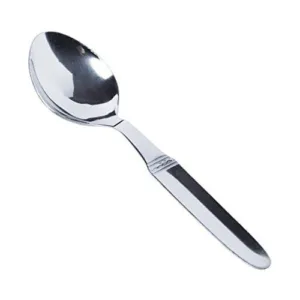
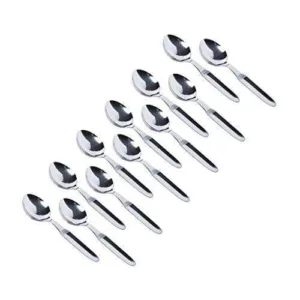
Classic by Embassy Dessert Spoon, Pack of 12, Stainless Steel, 17.8 cm (Nova, 17 Gauge)
Original price was: ₹510.00.₹425.00Current price is: ₹425.00.Sale 29%
Out of stock
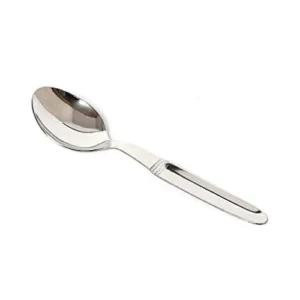
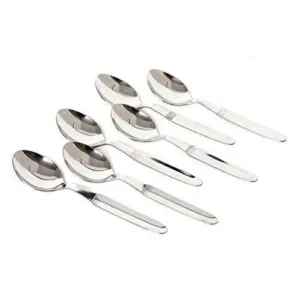
Embassy (Classic by Embassy) Dessert Spoon, Pack of 6, Stainless Steel, 17.8 cm (Nova, 17 Gauge)
Original price was: ₹390.00.₹277.00Current price is: ₹277.00.Sale 25%
Out of stock
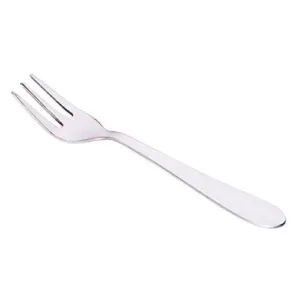

Classic by Embassy Coffee/Fruit Fork, Set of 12, Stainless Steel, 11.5 cm (Sigma, 17 Gauge)
Original price was: ₹390.00.₹292.00Current price is: ₹292.00.Sale 19%
Out of stock
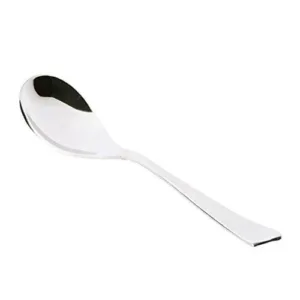
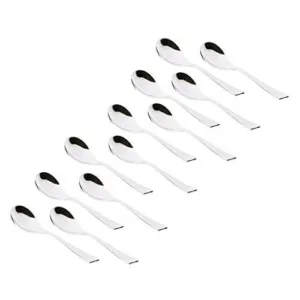
Embassy (Classic by Embassy) Baby Spoon, Set of 12, Stainless Steel, 15.2 cm (Monalisa, 14 Gauge)
Original price was: ₹600.00.₹485.00Current price is: ₹485.00.Sale 24%
Out of stock
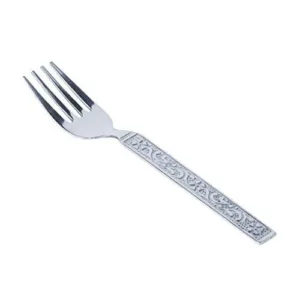
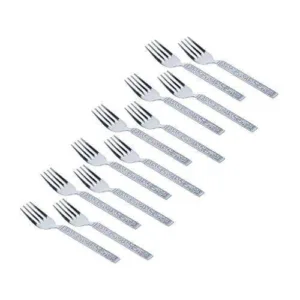
Classic by Embassy Tea/Pastry Fork, Pack of 12, Stainless Steel, 13.3 cm (Hi-Trend, 17 Gauge)
Original price was: ₹420.00.₹321.00Current price is: ₹321.00.Sale 31%
Out of stock


Stahl Talon Series Santoku Knife, Walnutwood Handle, 5 Inches / 13 cm
Original price was: ₹1,880.00.₹1,288.00Current price is: ₹1,288.00.Sale 10%

Embassy Cutlery/Stationary/Toiletry Holder, Set of 3 – Sizes 4-6 (Black Colour, Stainless Steel)
Original price was: ₹700.00.₹632.00Current price is: ₹632.00.Sale 24%
Out of stock

Embassy (Classic by Embassy) 24-Pieces Cutlery Set – 12 Dessert Spoons & 12 Dessert Forks (Sigma, 17 Gauge, Stainless Steel)
Original price was: ₹900.00.₹682.00Current price is: ₹682.00.Sale 21%
Out of stock
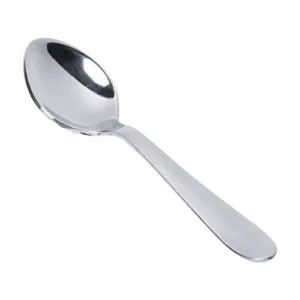

Classic by Embassy Coffee Spoon, Pack of 12, Stainless Steel, 11.4 cm (Ajanta, 14 Gauge)
Original price was: ₹480.00.₹381.00Current price is: ₹381.00.Sale 26%
Out of stock
Reviews
There are no reviews yet.